How to Make Money Online Earning: Realistic First Steps
Most guides list 20 ways to earn online. This one starts with two questions instead: how many hours a week do you have, and how soon do you need paying? Match the method to your time, and the numbers start to make sense.

Key takeaways
- Pick a method by your hours and how fast you need paying, not by the headline rate.
- Freelancing pays best per hour, user testing pays fastest, and content is slowest but can scale.
- UserTesting pays $10 per standard test, $4 per short test, and $30 to $60 per live conversation, by PayPal about 14 days later.
- A real job never asks you to pay first: upfront fees, fake checks, and reshipping offers are scams.
- Online earnings are taxable: self-employment tax of 15.3 percent starts once net earnings reach $400 in a year.
Start with your hours, not the headline rate
Earning online is now mainstream: PYMNTS Intelligence research from February 2026 found that 4 in 10 U.S. consumers earn additional income through side jobs. Most are not getting rich: beginners typically earn $100 to $500 a month, and the average U.S. side hustler earns around $530 a month, with a median closer to $200.
So the first decision is not which method pays the most, but how many hours you can give. With under five hours a week, pick something that pays per task and needs no clients: user testing, surveys, or microtasks. With five to ten hours, freelancing or virtual assistant work fits, because you can finish one or two small jobs properly. With ten hours or more, add a slow builder, like a blog, alongside a faster one.
Sell a skill first: freelancing
Freelancing is the fastest route to meaningful money, because you sell work, not attention. Freelance writing rates range from $0.05 to $1 or more per word, virtual assistant work runs $15 to $50 an hour, and online tutoring typically pays $20 to $60 an hour. If you can write clearly, design a simple graphic, or manage an inbox, you already have something to sell.
Before you set your rate, check what the platform keeps. Upwork charges freelancers a flat 10 percent service fee, while Fiverr takes a flat 20 percent commission on every transaction. On a $1,000 project, that is keeping $900 against $800. Upwork also charges for the Connects spent sending proposals. Quote your rate after the fee, and raise it once you have a few good reviews.

Get paid fast: user testing and surveys
If you need money this month rather than this year, user testing is the quickest honest route. UserTesting pays $4 for a short five-minute test, $10 for a standard 15 to 20 minute test, and $30 to $60 for a live video conversation, paid to PayPal exactly 14 days after the test, with no minimum balance. You record your screen and speak your thoughts aloud, after passing a short practice test. The catch is supply: tests fill within a minute, and most screeners end in disqualification.
Surveys and microtasks are easier to start and pay accordingly. Survey sites generally pay $0.50 to $5 per survey, and microtask work on Amazon Mechanical Turk usually works out to $3 to $8 an hour. Surveys and microtasks realistically bring $50 to $200 a month. Treat them as first dollars while you build a skill, not as a real income strategy.
Build something slow: content and digital products
Content and digital products are the slowest methods here, and the ones with the highest ceiling. A YouTube channel cannot earn ad money until 1,000 subscribers and 4,000 watch hours, and U.S. ad revenue then averages $3 to $5 per 1,000 views. Bloggers take an average of 21 months to earn from a blog, according to Productive Blogging's 2026 survey, although 26 percent earned within six months.
Digital products sit in the same slow lane: ebooks, templates, and courses take real work to create, then sell repeatedly. Self-published ebooks on Amazon Kindle Direct Publishing earn 35 to 70 percent royalties depending on price, and Etsy charges a 6.5 percent transaction fee. A 2025 Pew Research Center survey found that 92 percent of U.S. adults buy things online, so the audience is there; being found is the hard part.
The scam filter: five checks before you sign up
The Federal Trade Commission's core rule is simple: honest employers never ask you to pay to get a job. Anyone who does is a scammer. Upfront money for training, a starter kit, or activation? Walk away. Hundreds of dollars a day for little work? The FTC says that is almost certainly a scam. Does it send you a check and ask you to deposit it and send part of the money back, or buy gift cards with it? That is the fake check scam: the check bounces, and your bank wants the full amount back. Is the job reshipping packages you receive at home? Reshipping is never a real job. Vague description, with pressure to decide within the hour? Real employers give you time. If you spot a scam, report it to the FTC at ReportFraud.ftc.gov.
What the taxman expects
Online earnings are taxable in the United States, and the rules catch small amounts sooner than most beginners expect. Once net earnings from self-employment reach $400 in a year, you must file a federal return and owe self-employment tax of 15.3 percent: Social Security at 12.4 percent and Medicare at 2.9 percent. The tax is figured on 92.35 percent of your net profit. Businesses paying you $600 or more for services must send a Form 1099-NEC, but you owe the tax whether or not one arrives. Keep a record of every payment and expense, and set aside 25 to 35 percent of net profit for tax. This is general information, not tax advice.
Your first seven days
Day one, pick one method and the hours you can give it. Day two, set up one profile with a clear photo, a short description, and one work sample. Day three, apply for three jobs or take the UserTesting practice test. Then do the work and write down every hour and dollar. By the end of the week you will know your real hourly rate and whether you enjoyed the work. If not, switch now, while switching costs nothing.
Sources & further reading
- Acorns, How to Make Money OnlineVerified 14 Nov 2026.
- Shopify, How To Make Money OnlineVerified 14 Nov 2026.
- Federal Trade Commission, Job ScamsVerified 14 Nov 2026.
- Survey Examiner, UserTesting Review 2026Verified 14 Nov 2026.
- FeeKit, Upwork vs Fiverr Fees in 2026Verified 14 Nov 2026.
- LegalClarity, How Much Do You Have to Make to Owe TaxesVerified 14 Nov 2026.
Pick one method, learn its real pay, and stick with it for a month. Start small, track every hour and dollar, and let your own numbers decide what comes next.
Your first month of website testing, worked out in dollars
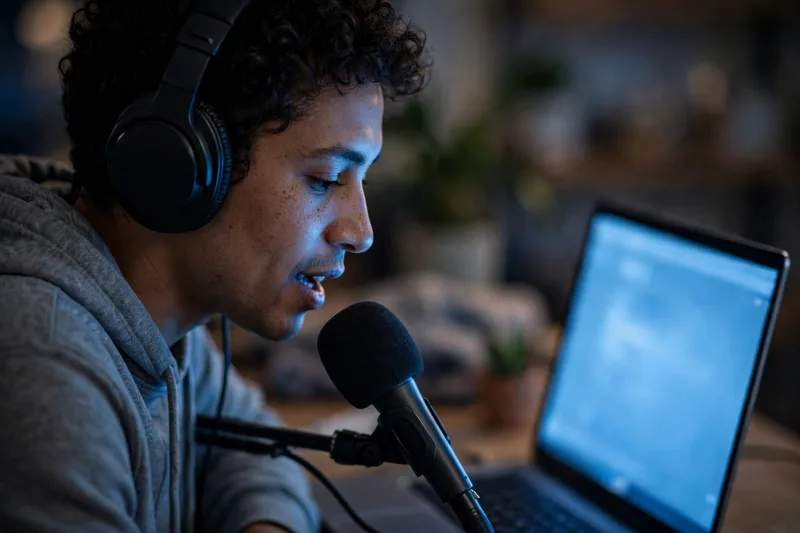
UserTesting publishes its rates, so a first month can be worked out on paper. A standard test pays $10 for 15 to 20 minutes of work, a short test pays $4 for about five minutes, and a live video conversation pays $30 to $60. PayPal pays exactly 14 days after each test, with no minimum balance. Suppose you complete eight standard tests and two short tests in a month: eight at $10 is $80, two at $4 is $8, a total of $88. The test time is 170 minutes, or two hours and 50 minutes: about $31 per hour of test time. But screeners take time, most end in disqualification, and tests fill within a minute, so the hours spent chasing tests are unpaid. The 14-day delay also means nothing reaches PayPal until about two weeks after your first test. This is an illustration from published rates, not a promise: how many tests you are offered depends on your ratings and profile. Even so, $88 for under three hours of test time shows why testing beats surveys for a beginner's first dollars.