Boiler Cover: What It Covers, Costs and Is It Worth It
Boiler cover pays for repairs when your boiler breaks down, but it is not the same as home insurance and it does not cover everything. Here is what it includes, what it costs, and when it is actually worth the money.
Key takeaways
- Boiler cover pays for repairs to your boiler when it breaks down, including parts, labour and the engineer call-out.
- Basic boiler-only plans typically cost £7 to £15 a month; wider plans covering heating, plumbing and electrics cost more.
- Most plans exclude pre-existing faults, boilers over a set age, and damage caused by sludge or limescale.
- Standard home insurance does not cover boiler breakdowns, only damage from insured events such as fire or flood.
- Cover is usually best value for older boilers and households with no savings for a surprise repair bill.
What is boiler cover?
Boiler cover is a monthly plan that pays for repairs when your boiler breaks down. Instead of facing a sudden bill for parts and labour, you pay a fixed amount each month and the provider sends an engineer when something goes wrong. Most plans also include an annual boiler service.
It is sometimes called boiler breakdown cover or boiler insurance, but not every plan is insurance in the legal sense: some are FCA-regulated policies with Financial Ombudsman Service protection, while others are unregulated service contracts. Check which type you are buying.
What boiler cover usually includes
A basic boiler-only plan covers repairs to the boiler itself and its controls, including the parts, the labour and the engineer call-out. Most plans also give you a 24-hour helpline. An annual boiler service is included on many plans, though not all, so check before you buy.
Wider plans extend the cover to the rest of the central heating system: radiators, pipework, the circulating pump and the hot water cylinder. The broadest plans add plumbing, drains and home electrics, and may contribute towards a replacement boiler.
What boiler cover does not cover
The exclusions are where most claims are refused, so read them before you buy. Almost every plan excludes faults that existed before the policy started, and most impose a waiting period of 14 to 30 days, so you cannot buy cover after the boiler has already broken down.
Damage caused by sludge, limescale or rust is commonly excluded, as is any fault in a boiler that has not been serviced regularly. Many providers also set an age limit, often 10 to 15 years. Most plans cover repairs only: they will not pay for a new boiler when yours is beyond economical repair.
Any work on the gas side of your boiler must be carried out by a Gas Safe registered engineer by law, whether it is done under a cover plan or paid for directly.
How much does boiler cover cost?
Basic boiler-only cover typically costs around £7 to £15 a month in the UK, or roughly £84 to £180 a year. Plans that add the central heating system usually run from about £14 to £25 a month, while full cover with plumbing, drains and home electrics can reach £20 to £40 a month. Prices vary with your boiler's age, your postcode and the excess you choose: the amount you pay towards each claim usually ranges from £0 to around £99.

Boiler-only vs home emergency cover
Boiler cover and home emergency cover overlap, but they are not the same thing. Boiler cover focuses on your boiler and central heating system, while home emergency cover is broader: burst pipes, blocked drains and electrical failures, and usually boiler breakdown too.
The trade-off is depth against breadth. A boiler plan usually includes the annual service and may contribute towards a replacement boiler; home emergency cover rarely includes a service and usually pays for repairs only. Check for overlap first: some home insurance policies offer home emergency cover as an add-on, so you may already be partly covered.
Boiler cover vs home insurance
Standard home insurance does not cover boiler breakdowns. Buildings insurance protects your home against sudden events such as fire, flood or storm damage, and a boiler counts as part of the building, but a boiler that breaks down from wear and tear is not an insured event. If a leaking boiler damages your floors, the water damage may be covered, but the boiler repair will not be.
Our guide to how much homeowners insurance costs explains what a standard policy does and does not include, so it is worth reading alongside this one to see where the gap sits.
Home warranties are a different product again: service contracts, common in the United States, that cover repairs to home systems and appliances. Our guide to what a home warranty is explains how they differ from UK boiler cover.
Is boiler cover worth it?
Which? has found year after year that, for most people, paying for services and repairs as they come works out cheaper over several years than paying for boiler cover. Whether it is worth it for you depends on your boiler and your finances, not on the sales pitch.
Cover usually makes sense if your boiler is older, roughly seven years or more, if you have no savings buffer for a surprise repair bill, or if you are a landlord who needs a tenant's heating fixed quickly. It is least worthwhile when your boiler is new and still under its manufacturer's warranty, which typically lasts five to ten years, with an emergency fund behind you.
Tenants do not need boiler cover: under the Gas Safety (Installation and Use) Regulations 1998, the landlord must keep the boiler safe and working. If you rent, report a breakdown to your landlord.
How to choose a boiler cover plan
Before you buy, check five things: what the plan covers, and whether the annual service is included; the excess per claim and any annual claim limit; the waiting period before you can claim; the age limit for your boiler; and whether it is FCA-regulated insurance or a service contract. Then compare the total yearly cost, including the excess, against a standalone annual service, which costs around £80.
Buy cover before winter if you are going to buy it at all, and never buy it after a fault has appeared: pre-existing faults are excluded, and the waiting period means an early claim will be refused.
Sources & further reading
- Which?, How to choose the best boiler coverVerified 12 Nov 2026.
- Boiler Central, Best Boiler Cover & Breakdown Insurance 2026Verified 12 Nov 2026.
- Boiler Cover UK, What Is Boiler Cover?Verified 12 Nov 2026.
- SimplyQuote, What Is Boiler Cover and What Does It Include?Verified 12 Nov 2026.
- Heatable, Does Home Insurance Cover My Boiler?Verified 12 Nov 2026.
This article is general information only, not financial advice.
Worked example: one heat exchanger repair against a year of cover
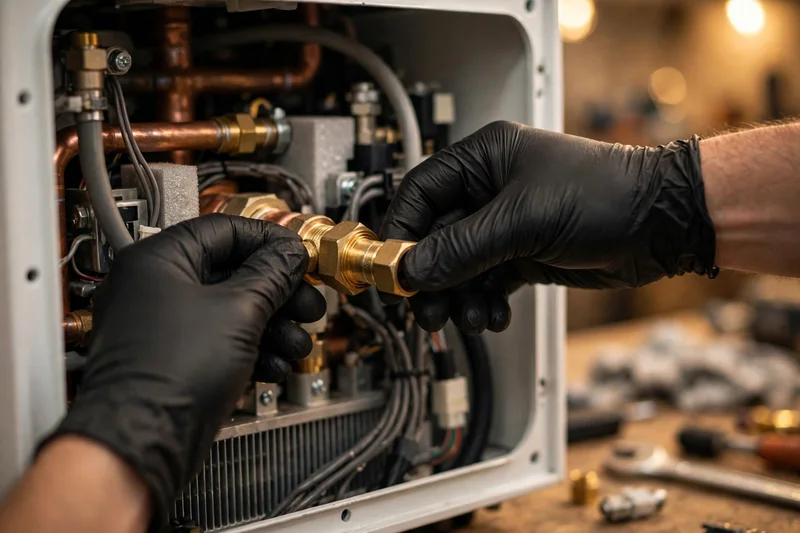
Take a boiler-only plan at £9.49 a month with no call-out fee, the price Boiler Central lists for its basic tier. Over a year that costs £113.88, and it includes the annual boiler service. Now suppose the boiler's heat exchanger fails in February, a repair that typically costs £300 to £600 for parts and labour. With cover, the repair is included, so the year's total is £113.88.
Without cover, the same year costs around £80 for a standalone annual service plus £300 to £600 for the repair, or £380 to £680 in total. That is £266.12 to £566.12 more than the covered year. In a year with no breakdown, though, the picture flips: cover costs £113.88 against about £80 for a service alone, so you pay £33.88 extra for the peace of mind. Cover wins when a big repair lands; paying as you go wins in a quiet year.