What Happens If You File for Bankruptcy: 2026 Guide
If you are wondering what happens if you file for bankruptcy, a federal court process starts the moment you file — stopping collectors, putting a trustee in charge of your case, and ending in a discharge order that wipes out most unsecured debts. Here is how it plays out, and what it means for your home, car, and credit.

Key takeaways
- Filing triggers an automatic stay that instantly stops creditor calls, lawsuits, wage garnishments, foreclosures, and repossessions.
- Most cases are Chapter 7 (discharge in roughly 4–6 months) or Chapter 13 (a 3-to-5-year repayment plan).
- Through exemptions, most filers keep their home, car, and essentials — most Chapter 7 cases are “no-asset” cases.
- Chapter 7 stays on your credit report 10 years, Chapter 13 for 7 years — but rebuilding can begin at discharge.
Two kinds of bankruptcy, two different journeys
Almost everyone who files for personal bankruptcy uses one of two chapters. In a Chapter 7 case, a trustee reviews your assets, sells anything not protected by exemptions, and uses the proceeds to pay creditors — then wipes out most remaining unsecured debts, usually within about four to six months. In a Chapter 13 case, there is no liquidation: you keep your property and repay some or all of your debts through a court-approved plan running three to five years, with the discharge arriving only after your final payment. Before filing either, weigh the alternatives in our guide to debt relief programs.
The moment you file: the automatic stay kicks in
The single most immediate effect of filing is the automatic stay, a federal injunction that takes effect the instant your petition reaches the court clerk. Creditor calls and demand letters, lawsuits, wage garnishments, foreclosures, and repossessions all stop at once.
The stay is powerful but not absolute. It does not stop criminal proceedings or child and spousal support proceedings, and a creditor can ask the court to lift it for a specific asset. A collector who keeps calling after you file is violating the stay — do not pay out of fear; see why you should never pay a collection agency. (Filing involves a court fee due with the petition — the full breakdown of fees and attorney costs is in our companion guide to how much it costs to file bankruptcy.)
The 341 meeting of creditors
Within a few weeks of filing, the trustee convenes the meeting of creditors. Despite the name, creditors almost never attend: you answer questions under oath about your finances and confirm your paperwork is accurate. If everything is in order, it typically lasts five to ten minutes.
What happens to your home, car, and other property
This is the part people fear most, and it is usually the least dramatic. You list every asset on your schedules and claim exemptions — the law’s way of letting you keep enough to live on. Federal exemptions protect up to $31,575 of equity in your primary residence (as adjusted in 2025), plus a wildcard exemption that can shield cash savings, a vehicle, or other property.
Most consumer Chapter 7 cases are “no-asset” cases: the trustee finds nothing beyond exemptions, and you keep everything. Secured debts like mortgages and car loans are special — bankruptcy can erase your personal obligation to pay, but the lender’s lien survives. To keep a financed car or home, you can sign a reaffirmation agreement, voluntarily agreeing to keep paying.
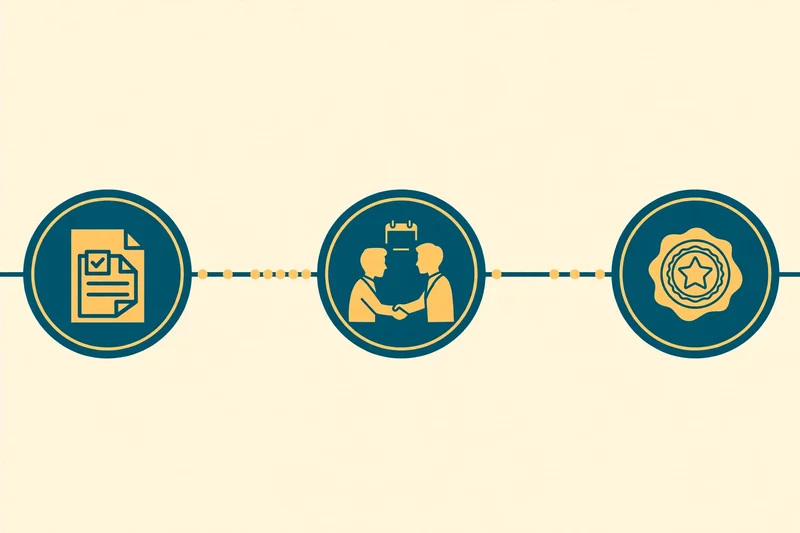
A realistic timeline: what a Chapter 7 case actually looks like
Say you file your petition on Friday, October 23, 2026: the automatic stay takes effect that same day. About a month later — early December 2026 — you attend the 341 meeting of creditors. Creditors then get roughly 60 days to object; if nobody objects and you have finished the debtor education course, the court issues your discharge order in late February 2027 — about four months from filing.
The discharge is the finish line: it permanently eliminates your legal obligation to repay the covered debts, and discharged amounts are excluded from your gross income — no federal income tax is owed on them.
Debts bankruptcy cannot erase
Some obligations survive every bankruptcy: child support and alimony, most federal and private student loans (except rare “undue hardship” cases), recent income taxes, fraud debts, luxury purchases over $500 within 90 days of filing, and DUI-related judgments.
The credit consequences — and how rebuilding starts
Your score falls when you file — commonly by 100 to 200 points. Chapter 7 can be reported for up to 10 years from the filing date, Chapter 13 for 7 years. The clock starts the day you file, not at discharge, and it does not reset.
Rebuilding can begin the moment you are discharged — secured cards and credit-builder loans are the typical first steps, and on-time payments add positive history right away. See our guide to building credit without a credit card. As rough benchmarks, FHA lenders may consider you two years after discharge, conventional lenders four years. Your current employer cannot fire you just for filing.
Bottom line
Filing for bankruptcy starts a structured federal process: an instant freeze on collections, a brief trustee meeting, and — in Chapter 7 — a discharge about four to six months later that erases most unsecured debts while exemptions protect the essentials.
Still deciding whether it’s worth it?
See the full breakdown of filing fees, attorney fees, and counseling costs.
How much bankruptcy costsSources & further reading
- U.S. Courts — Bankruptcy BasicsOfficial federal guide: the automatic stay, the 341 meeting, and the discharge order (curl: 200, 23 Oct 2026).
- Nolo — Chapter 7 Bankruptcy Qualifications: 2026 RequirementsMeans test, 4–5 month discharge timeline, and mortgage waiting periods after discharge (curl: 200, 23 Oct 2026).
- LegalClarity — What Happens If You File for Bankruptcy: Process and ImpactStep-by-step process, federal exemption figures, and non-dischargeable debts (curl: 200, 23 Oct 2026).
- LegalClarity — When Does Bankruptcy Fall Off Your Credit Report?10-year Chapter 7 / 7-year Chapter 13 reporting windows measured from the filing date (curl: 200, 23 Oct 2026).
- ChooseFI — Types of Bankruptcy: Chapter 7 vs Chapter 13 (2026)2026 chapter comparison: timelines, means test basics, and non-dischargeable debt categories (curl: 200, 23 Oct 2026).