Council Tax and Unoccupied Properties: Premiums 2026
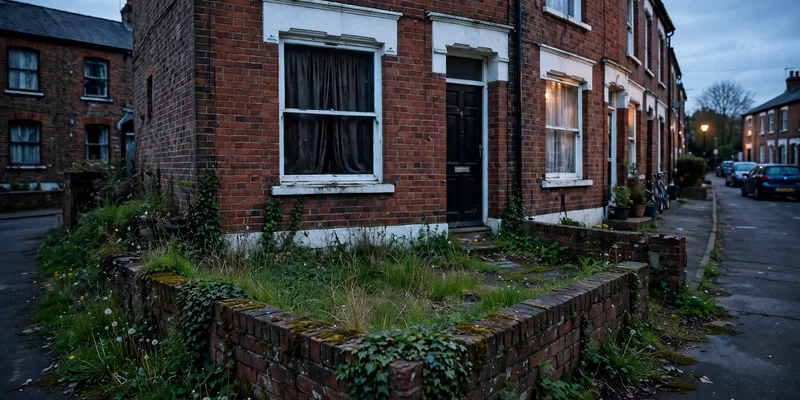
A home left empty in England does not sit quietly on the council's books. From the first day it stands empty, the full council tax can be charged, and once it has been empty for a year a premium of up to 100% can be added — rising to 300% after a decade. From 5 November 2026, councils also gained a new power to step in far earlier. This guide explains what you owe, when the premiums bite, and the exemptions that save you.
Key takeaways
- No automatic discount exists for an empty home; most councils charge the full rate from day one.
- After a year empty, a premium of up to 100% can apply, rising to 200% after five years and 300% after ten.
- Second homes can face a premium of up to 100% from April 2025.
- Nine mandatory exceptions can remove the premium, including probate, sale and repairs.
- From 5 November 2026, councils can seek a management order after six months empty, down from two years.
Do you have to pay council tax on an empty property?
Yes, in most cases. Since 2013, councils in England have been able to charge the full council tax rate from the first day a property stands empty, and most do. There is no automatic discount and no grace period. If nobody lives there and no exemption applies, the bill arrives as normal.
That surprises people, because an empty home seems to use no services. The council's view is the opposite: the home still needs the services around it, and the charge is meant to push owners to bring homes back into use.
Exemptions do exist, and they matter. A home left empty after the owner's death is exempt until probate is granted, plus six months after that, and a home empty because its owner is in long-term care or hospital is exempt. But these are specific, time-limited exemptions — not a general discount for leaving a home empty.
When does the empty homes premium start?
A property becomes a long-term empty home after a continuous year unoccupied and substantially unfurnished. From 1 April 2024, that one-year trigger lets the council add a premium of up to 100% on top of the normal bill — so the total can double.
The one-year trigger is itself recent. Before April 2024, a home had to stand empty for two years before any premium could apply; the Levelling-up and Regeneration Act 2023 cut that to one year. If you read an older council page that still says two years, it is out of date.
The word "continuous" does a lot of work: the year is only broken if the home is occupied, or substantially furnished, for at least six weeks without a break. A weekend visit or a few pieces of furniture does not reset the clock.
The premium ladder
The premium rises the longer a home stands empty. For one to five years empty, the council may charge a premium of up to 100%, taking the total bill to twice the normal amount. From five to ten years, the premium can rise to 200%, trebling the bill. After ten years, it can reach 300%, quadrupling it.
These are statutory maxima, not fixed rates. Each council decides whether to charge at all, and how much, up to the maximum — so identical empty homes in different areas can have very different bills, and the only reliable figure is your own council's.
In money, take the average Band D bill in England for 2026/27: £2,392 a year. At the 100% premium, that becomes £4,784. At 200%, £7,176. At 300%, £9,568 — every year, for a home nobody lives in.
Second homes: the premium from April 2025
A second home is different from an empty home: it is furnished, but it is not anyone's sole or main residence. From 1 April 2025, English councils have been able to charge a premium of up to 100% on second homes as well.
There is a timing wrinkle: a council must make its first determination at least a year before the financial year the premium applies to, so some only started charging on 1 April 2026. Homes that are let out, or occupied as a main home, are not second homes, and the premium does not apply.
The second-home premium is the most argued-over part of the rules, because it catches holiday homes and inherited properties kept for family use. The exemptions below are the only way out.
The exemptions that can save you
Since 1 April 2025, nine exceptions apply to the premiums, and councils may not disapply them. If your home is actively marketed for sale or for let, the premium does not apply for up to 12 months. If it needs major repairs or structural alterations, you get up to 12 months. If probate was recently granted, you get 12 months from the grant.
The other exceptions cover armed-forces accommodation, annexes forming part of a main dwelling, job-related dwellings, caravan pitches and boat moorings, and seasonal homes with a planning restriction. Exceptions can also apply in succession — a home marketed for sale and then repaired can be covered for longer than 12 months in total.
Two things to remember. First, the exceptions remove the premium, not necessarily the underlying council tax — you may still owe the full normal bill. Second, you must tell the council: exceptions are not automatic, and a council that does not know your home is being marketed will charge the premium.
The six-week reset — and how councils check
The only way to restart the empty-period clock is to occupy the home, or furnish it substantially, for a continuous period of at least six weeks. Short stays do not count, and the council can ask for evidence — tenancy agreements, utility bills, photographs.
This is the rule most often misunderstood. Moving a bed and a table in for a fortnight does not make a home furnished, and a holiday stay does not make it occupied. If you are relying on the reset, keep dated proof — the council decides whether the test is met.
Sources & further reading
- GOV.UK, Council tax premiums on long-term empty homes and second homesVerified 13 Nov 2026.
- Legislation.gov.uk, SI 2026/1085 — Empty Dwelling Management OrdersVerified 13 Nov 2026.
- Glasgow Times, MHCLG council tax figures for 2026/27Verified 13 Nov 2026.
An empty home is never free to keep. The bill starts on day one, the premium starts after a year, and from November 2026 the council can move to take over running the home after just six months. If you own an empty property, the cheapest step is usually the simplest: decide what the home is for, tell the council, and use the exemption that fits — before the premium clock does the deciding for you.
From 5 November 2026: councils can step in after six months
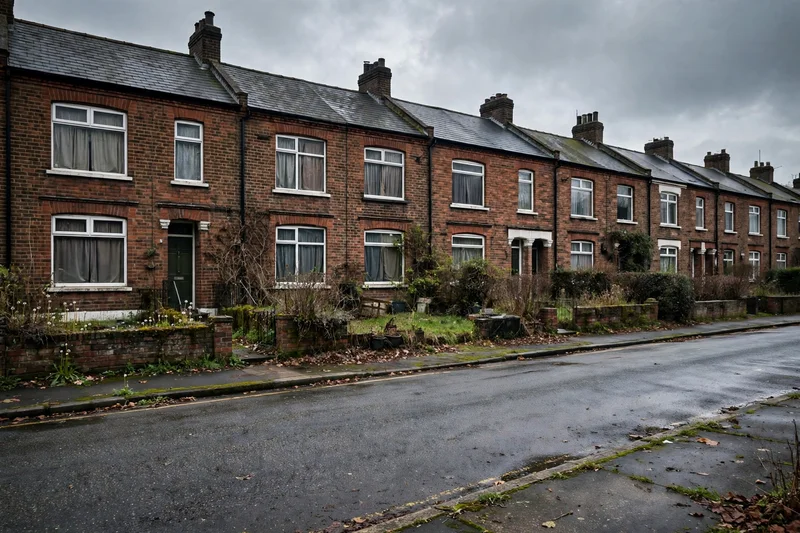
The newest change in this topic is also the sharpest. From 5 November 2026, a council in England can apply for an Empty Dwelling Management Order once a home has been wholly unoccupied for six months — down from two years (SI 2026/1085). A tribunal must still authorise it, the owner keeps ownership, and homes genuinely marketed for sale or let are excluded. But the clock for council attention now starts 18 months earlier.
| Empty for | Premium | Bill per year |
|---|---|---|
| 1–5 years | up to 100% | £4,784 |
| 5–10 years | up to 200% | £7,176 |
| 10+ years | up to 300% | £9,568 |
And an Empty Dwelling Management Order is a management order, not a seizure — the council takes over running the home, for up to seven years under a final order, after at least three months' written notice. The point is not that councils will take every empty home. It is that leaving one empty now costs twice: in money, through the premium ladder, and in control, through a power that arrives a year and a half sooner.